Feel Free to Use the Butt Napkins
A Designer’s First Impression
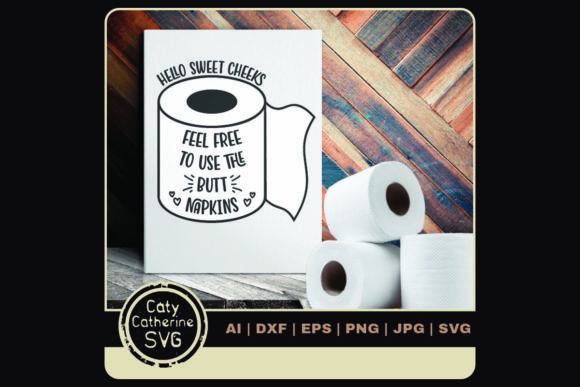
The first time I saw Feel Free to Use the Butt Napkins, I was struck by its boldness. It’s not a design that tries to be subtle or refined—it’s upfront, cheeky, and unapologetically funny. The theme is clear: bathroom humor with a twist of irreverent charm. The layout is clean, centered around the phrase “Feel Free to Use the Butt Napkins,” with a toilet roll icon and a cheeky illustration of a butt. It feels like something you’d see on a meme, but translated into an embroidery file.Real-Life Embroidery Use Cases
Feel Free to Use the Butt Napkins has a strong visual personality that leans toward the humorous and casual. That makes it ideal for products where a bit of levity is welcome. Let’s break down some scenarios:- Custom Apparel: This design could work well on t-shirts, sweatshirts, or even hoodies. It’s eye-catching enough to stand out in a crowd, but not so over-the-top that it becomes a distraction.
- Baby Items: While the theme might seem inappropriate for a baby onesie, it could be reimagined as a playful addition to a toddler’s outfit—especially for a themed birthday or holiday party.
- Embroidered Patches: As a standalone patch, it’s a conversation starter. It’s simple enough to stitch cleanly and bold enough to make an impact.
- Tote Bag Design: Adding Feel Free to Use the Butt Napkins to a tote bag can turn it into a fun, shareable item. It works especially well for craft fairs, Etsy shops, or small business merchandise.
- Personalized Gifts: For those looking for a quirky gift, this design offers a unique option. It’s perfect for friends who appreciate humor and aren’t shy about expressing it.
- Commercial Embroidery: If used carefully, this design could be part of a larger collection. However, it’s important to consider the audience and ensure the humor aligns with the brand’s voice.
Considerations for Real-World Embroidery
While Feel Free to Use the Butt Napkins is visually engaging, there are a few practical considerations when using it in real projects.Small Hoop Sizes: Due to the text and graphic elements, this design may not fit well in smaller hoops. Testing it on scrap fabric is essential before committing to a full project.
Textured or Thin Fabrics: The design includes fine details and lettering, which can be challenging on thin or textured fabrics. Using the right stabilizer is crucial to prevent distortion or puckering.
Dark Fabric: The contrast between the design and dark fabric may not be as effective. Testing in black and white mockups can help determine if the design will be legible on darker backgrounds.
Curved Surfaces: If using this design on a cap or hat, pay close attention to how the corners and text sit on the curve. Misalignment can make the design look off or uneven.
Dense Stitch Areas: The detailed parts of the design, such as the toilet roll and text, require careful stitching. Ensuring proper stitch density and thread color contrast is key to maintaining clarity and quality.
Design Impact and Practical Value
Feel Free to Use the Butt Napkins brings a unique energy to any project. Its humor and boldness can elevate a handmade product, making it more memorable and shareable. However, it’s also important to consider how it affects customer trust and brand consistency.For small shop products or Etsy listings, the design should align with the overall aesthetic of the store. If the brand is more serious or elegant, this design might not be the best fit. But for a craft business targeting a younger, more playful audience, it could be a standout piece.
From a handmade product standpoint, the design adds value through its uniqueness. It’s not just another generic embroidery file—it’s a statement. However, it’s also important to consider how the design holds up after repeated washing or wear, especially for items like tea towels or pillow covers.
Practical Designer Notes
Before using Feel Free to Use the Butt Napkins in a final project, there are a few steps I recommend:- Test on Scrap Fabric: Always test the design on a piece of scrap fabric to ensure it stitches cleanly and looks as expected.
- Check Thread Color Contrast: Make sure the thread colors provide good contrast against the fabric background.
- Review Stitch Density: Dense areas of the design, like the text, should be reviewed for stitch density to avoid over-stitching or under-stitching.
- Confirm Hoop Size: Ensure the design fits within the hoop size you’re using, especially if you’re working with multiple layers or curved surfaces.
- Inspect Small Details: Pay attention to tiny lettering and intricate parts of the design to ensure they stitch clearly.
- Use Proper Stabilizer: Choosing the right stabilizer can make a big difference in the final result, especially on stretchy or delicate fabrics.
- Test in Black and White Mockups: This helps identify potential issues with contrast and clarity before printing or stitching.
- Compare Light and Dark Backgrounds: Test the design on both light and dark fabrics to see how it performs in different settings.
- Check Licensing Terms: If you plan to sell finished products or digital files, confirm the licensing terms to ensure you’re compliant.